
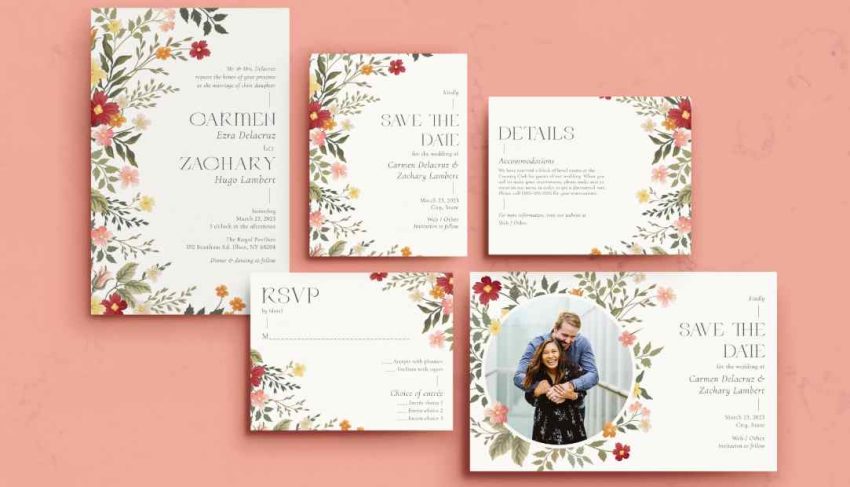
Planning a corporate gathering, gala, or major networking event requires coordinating dozens of moving parts. Among these, physical invitations and business cards remain primary touchpoints for setting expectations and establishing professional credibility. A well-designed card or invitation conveys quality and attention to detail long before an attendee steps into the venue. Conversely, flimsy paper stock, hard-to-read typography, or poor color choices can subtly weaken your event’s perceived prestige.
Creating impactful print pieces requires a firm understanding of paper weights, tactile finishes, and visual layout principles. Design guidelines published by AlphaGraphics Northwest Tampa demonstrate that selecting appropriate paper density—such as a 14-point or 16-point cardstock—prevents bending during mailing and gives the recipient an immediate sense of substance. Taking a structured approach to typography, color space, and post-press embellishments ensures your print collateral achieves maximum impact.
1. Choosing the Ideal Paper Stock and Weight
The tactile feel of paper influences how recipients evaluate an invitation or business card. Paper density is typically measured in points (pt) or pounds (lb), reflecting the thickness and rigidity of the sheet.
Standard Paper Weights Explained
- 10-pt to 12-pt Stock: Lightweight and flexible. Suitable for high-volume insert cards, event agenda enclosures, or budget-friendly informational handouts.
- 14-pt to 16-pt Stock: The industry standard for premium business cards and formal invitations. Offers strong rigidity, resisting folds and corner creases during transit.
- 18-pt to 32-pt Extra-Thick Stock: Ultra-heavy cardstock often featuring colored center layers or duplexed construction. Ideal for executive networking cards and luxury gala invitations.
2. Uncoated vs. Coated Paper Finishes
Selecting the right surface finish depends on how the card will be used and whether recipients need to write notes on it.
| Finish Type | Visual Appearance | Best Functional Application |
| Matte Coated | Smooth, non-reflective surface | High-text layouts, corporate business cards, and modern minimalist invitations |
| Gloss Coated | Vibrant, reflective surface | Image-heavy designs, full-color event graphics, and photo cards |
| Uncoated / Textured | Natural, tactile paper feel | Elegant formal invitations, RSVP cards, or cards intended for handwritten notes |
3. Formatting Typography and Spatial Hierarchy
Cluttered invitations confuse guests, while overcrowded business cards make key contact details difficult to scan quickly. Maintaining generous margins and clear typographical hierarchy solves these issues.
- Establish a Clear Size Hierarchy: Make the event title or primary name the largest element on the card. Event dates, times, and venue locations should use medium point sizes, while secondary details like dress codes or website links should be kept small.
- Maintain Readability Thresholds: Avoid using font sizes smaller than 8 points for body text. Delicate script fonts should be reserved exclusively for main names or headlines, never for addresses, phone numbers, or event schedules.
- Leave Ample White Space: Keep text at least 0.125 inches away from paper edges. Surrounding text blocks with generous breathing room creates a clean, sophisticated layout that directs the eye naturally.
4. Elevating Designs with Special Post-Press Treatments
Adding specialized post-press embellishments turns a simple printed piece into an engaging, multi-sensory experience.
- Foil Stamping: Applies metallic foil (such as gold, silver, or rose gold) to specific text or logo elements using heat and pressure, creating a luxurious shine.
- Embossing and Debossing: Pressing paper between custom dies raises (embosses) or indents (debosses) specific shapes, adding subtle 3D texture to monograms or logos.
- Spot UV Coating: Applying a clear, high-gloss liquid coating over select areas creates a striking visual contrast against a flat matte background.
5. Preparing Files and Avoiding Print Errors
Formatting digital files correctly before sending them to production prevents unexpected delays and costly reprints.
- Convert RGB to CMYK: Digital monitors display images using Red, Green, and Blue light (RGB), whereas printing presses use Cyan, Magenta, Yellow, and Black ink (CMYK). Convert all artwork to CMYK early to ensure physical ink colors match your screen accurately.
- Set High Image Resolution: Ensure all vector logos, photos, and graphical elements maintain a resolution of at least 300 dots per inch (DPI) at actual print scale to avoid pixelation.
- Include Bleed Buffers: Extend background patterns or solid colors 0.125 inches beyond the final cut line (trim size) to guarantee no raw white paper edges appear during high-speed mechanical trimming.
By thoughtfully pairing durable paper stocks with balanced typography and accurate prepress file preparation, you can produce event invitations and business cards that convey professionalism and leave a lasting impression.