
Bringing a long-form literary work, corporate training manual, or high-end product catalog to life requires a deep understanding of physical production mechanics. In a world saturated with digital files and fleeting online content, a professionally manufactured book stands as a permanent monument to your brand’s authority, corporate heritage, or creative vision. A beautifully produced volume is far more than just ink on paper; it operates as a high-value corporate asset that demands respect, establishes immediate institutional credibility, and builds lasting engagement with your target audience. Partnering with an elite commercial production center like AlphaGraphics Crystal Lake ensures that independent authors, corporate marketing departments, and educational institutions across the region transition away from low-grade printing options and deploy beautifully bound volumes that stand the test of time.
Investing in a comprehensive Book Printing and Binding framework is a vital business decision that directly impacts how your market perceives your expertise, your attention to detail, and your brand value. This comprehensive guide explores the essential binding methodologies, material selections, and technical file requirements needed to transform a raw manuscript into a premium, retail-ready masterpiece.
The Geometry of Binding: Selecting the Ideal Structural Framework
The most critical decision in the book manufacturing pipeline is selecting a binding methodology that aligns perfectly with your document’s page count, intended lifespan, and target audience. Choosing the wrong binding style can result in pages falling out or a clumsy user experience that alienates readers.
The commercial print landscape relies on three primary binding standards:
- Perfect Binding (Softcover): The definitive standard for commercial fiction, business paperbacks, and thick corporate directories. This method involves collating the internal pages into a clean block, grinding the spine edge flat, and using a flexible, industrial-grade thermal adhesive to fuse the pages directly to a heavy wrap-around cardstock cover. It delivers a clean, square spine that can be printed with your title and author name, creating a sharp look on any retail bookshelf.
- Saddle Stitching: The ideal, budget-conscious solution for thin booklets, monthly magazines, event programs, and multi-page marketing brochures spanning under 64 pages. This technique utilizes heavy-duty wire staples driven directly through the center fold line of nested pages. It allows the booklet to lay relatively flat when opened, maximizing visual continuity across two-page spreads.
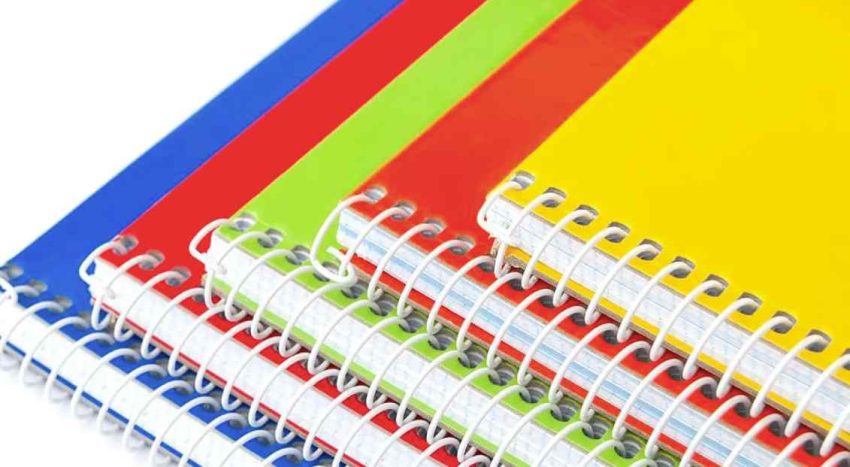
- Spiral / Wire-O Binding: The premier functional configuration for technical training manuals, recipe books, corporate notebooks, and structural field guides. By punching precise hole matrices along the spine edge and inserting a continuous plastic coil or a twin-loop metal wire, the book achieves a full 360-degree rotation. This allows users to fold the book completely flat on a desk or podium without damaging the internal structure.
Architectural Paper Selection and Textures
Human beings process tactile information on a deeply subconscious level. The exact weight, texture, and brightness of your book’s pages tell a story about your quality standards before a reader even finishes the first sentence.
Internal Page Stock (Text Weight)
Standard text pages generally range from a lightweight 50lb offset paper up to a premium 80lb text stock. For heavy, text-dense books like novels or corporate handbooks, an uncoated cream or warm white sheet minimizes eye strain and provides an organic, high-trust reading feel. Conversely, photo-heavy art books, product lookbooks, and luxury catalogs require a semi-gloss or high-gloss coated text stock. The smooth coating prevents ink absorption, ensuring colors stay vibrant, blacks stay deep, and detailed graphics retain sharp clarity.
Outer Cover Stocks (Cover Weight)
The cover is your book’s primary protection and its most critical visual hook. Softcover books require a durable cardstock, typically ranging from a dense 10pt to a heavy 12pt cover weight. To protect your cover artwork from scratching, moisture, and fingerprint smudges during shipping and handling, covers are finished with either a brilliant high-gloss UV coating or a luxurious soft-touch matte lamination that feels completely unique to the touch.
The Production Pipeline: From Manuscript to Finished Volume
Transforming a digital document into a flawless physical book requires a disciplined, multi-layered preparation pipeline. Achieving a retail-ready finish depends on a systematic layout workflow:
1.Establish Precise Margins, Bleeds & Gutters:Layout Standardization.
Format your page layout to account for the “gutter”—the extra inner margin space absorbed by the spine binding. Ensure a standard bleed margin extends past the final trim boundaries so background elements print seamlessly to the edge.
2.Export High-Resolution, Press-Ready Assets:Digital Optimization.
Convert your entire manuscript layout into a single, high-resolution PDF file. All imagery must meet a strict threshold of 300 DPI (dots per inch), and all colors must be converted into the CMYK ink spectrum to guarantee absolute print accuracy.
3.Review a Complete Structural Press Proof:Physical Verification.
Examine a complete physical test proof before approving the full production run. This allows you to verify font scaling, text alignment, page numbering flow, and color accuracy in your hands.
Maximizing the Impact of Your Printed Assets
Your printed books, manuals, and catalogs serve as the physical ambassadors of your company’s intelligence, attention to detail, and industry standing. Allowing poorly aligned layouts, weak binding configurations, or muddy print resolutions to represent your brand limits your professional reach and hands market authority to your competitors. Upgrading your publishing initiatives to a heavy, beautifully engineered print asset is the most reliable way to anchor your market presence and capture lasting consumer loyalty.
If your current print materials lack the premium polish required to win over discerning clients or readers, refining your publishing strategy is an essential operational pivot. To evaluate custom paper weights, explore diverse binding samples, and secure end-to-end publishing solutions tailored to your project goals, explore the production services layout directly at Partnering with an expert commercial print network ensures your organization deploys flawless, professional book assets designed to command absolute respect and drive long-term business growth.